
How Do I Choose a Radiologic Technology Program?
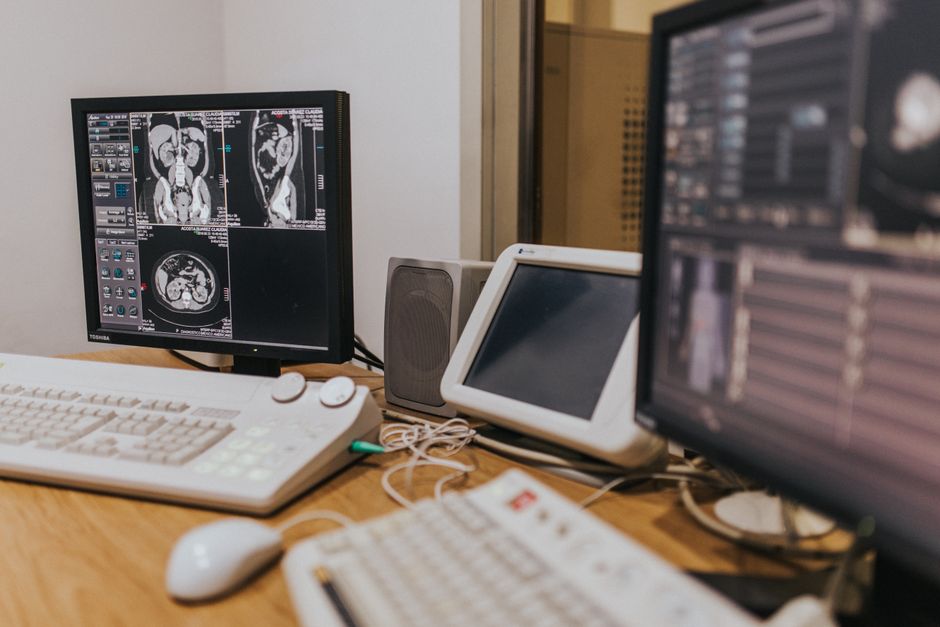
Choose a radiologic technology program by checking that it is accredited and that its coursework and clinical training meet the requirements for the credential you want. Compare prerequisites and application requirements, then ask who arranges clinical placements, where rotations take place, and how they fit your schedule. Confirm certification and state licensing rules before you enroll; requirements vary.
What classes do I need before applying to a radiologic technology program?
There is no single prerequisite list for every program, so use each school’s admissions page to confirm what you must complete before applying. The Bureau of Labor Statistics identifies math and science—including anatomy, biology, chemistry, and physics—as relevant high-school preparation. Treat that as a useful preparation guide, not a universal admissions checklist.
Ask an advisor to separate required prerequisites from recommended preparation and courses taken after acceptance. A precise question saves guesswork: “Which courses must be completed before I apply, and which can I take after admission?” Also ask whether prerequisite courses have minimum grades or expiration rules; the materials provided do not establish common thresholds, so get the program’s answer in writing.
Compare the full curriculum, not just the entry requirements. The Bureau of Labor Statistics says radiography education may combine academic study and clinical work. Coursework includes anatomy, pathology, patient care, radiation physics and protection, and image evaluation. Those subjects show why a program is both a science course of study and hands-on professional preparation.
For a clean comparison, make a short table for each school: prerequisite, whether completed, deadline, and who can confirm the requirement. Then ask how competitive admission works. The sources listed here do not specify GPA cutoffs, seat counts, or selection formulas, so request the current criteria directly rather than relying on an old discussion or an assumption.
How can I tell whether a medical imaging program is properly accredited?
Start with the JRCERT program directory, then confirm that the specific program and award match the credential pathway you plan to pursue. The JRCERT searchable directory can be filtered by program type, name, city, state, and award type. Check the exact campus and program entry; a school name alone may not identify the status of the program you are considering.
Accreditation matters because it is one part of a credential eligibility check, not a substitute for it. For its primary pathway, ARRT requires an associate degree or higher from an institution accredited by an ARRT-recognized agency, as well as completion of an ARRT-approved educational program in the credential’s discipline. The degree may be earned before or after the radiologic sciences program, but it must be awarded before the ARRT examination.
Use this verification sequence before paying a deposit:
- Find the program: Search the JRCERT directory by location, program type, and award.
- Match the details: Confirm the campus, discipline, award, and current accreditation status with the program.
- Check the credential pathway: Ask whether the program is ARRT-approved in the discipline you intend to pursue.
- Confirm the degree: Verify that your degree institution is accredited by an agency ARRT recognizes, and ask how degree timing affects your eligibility.
- Ask about competencies: Confirm how the program documents didactic coursework and clinical procedure competencies required for your pathway.
ARRT requires candidates to demonstrate mandatory clinical competencies and a percentage of elective competencies; program directors verify that requirements are met. It also gives candidates three years after completing the program to establish eligibility and apply for certification and registration. Check ARRT’s current requirements for your discipline, and ask the program to explain how it tracks those milestones.
Do radiology tech programs arrange clinical placements?
Clinical placement arrangements are program-specific, so ask the school exactly how placements are organized and what students must do. JRCERT standards require clinical settings to be recognized before students are assigned there, and require at least one clinical preceptor for each recognized setting. That gives you concrete details to verify—not a guarantee of a particular location or schedule.
JRCERT’s standards cover institutional resources, faculty and staff, curriculum and academic practices, health and safety, accountability and public information, and program effectiveness. Its radiography standards state that all clinical settings must be recognized by JRCERT. When comparing schools, ask for the list of clinical settings and how students are assigned. Also ask whether you can request a location, how far placements may be from campus, and what happens if a site or schedule changes.
Rotations affect a working adult’s calendar as much as a course list. The sources provided do not give standard clinical hours or guarantee evening and weekend placements. Ask an advisor: “What does a typical clinical week look like, when are students notified of assignments, and can a placement require travel?” Then ask current students whether actual scheduling has matched the program’s description.
Finally, connect placements to certification readiness. ARRT’s requirements include both didactic coursework and demonstrated clinical procedure competencies. Ask how students get opportunities to complete required procedures, how simulations are used when applicable, and who monitors progress. These answers help you assess whether clinical education is planned and tracked, rather than left vague.
Frequently Asked Questions
Can I work while completing radiologic technology clinical rotations?
Possibly, but the sources provided do not specify rotation schedules or whether a particular program accommodates employment. Ask the program for typical clinical days and hours, schedule changes, and how placements are assigned before deciding whether you can balance work.
What happens if I graduate from a program that is not accredited?
Graduating from a program that is not accredited by itself does not establish whether you qualify for ARRT certification. ARRT requires an approved educational program in the credential’s discipline and an associate degree or higher from an institution accredited by an ARRT-recognized agency. Confirm your exact pathway with ARRT and the program before enrolling.
Before you apply, write down the answers to four questions: what must be completed before admission, what accreditation and approval apply to this exact program, how clinical placements and competencies are handled, and which state rules apply where you plan to work. Take that checklist to an advisor and ask for specific, current answers.
Sources
- U.S. Bureau of Labor Statistics, Radiologic and MRI Technologists
- Joint Review Committee on Education in Radiologic Technology, Find a Program
- American Registry of Radiologic Technologists, Education Requirements
- American Registry of Radiologic Technologists, Didactic and Clinical Competency Requirements
- Joint Review Committee on Education in Radiologic Technology, Radiography Standards
You may also like

Website Creation Services: Choose the Right Fit for Your Business
Compare website creation services by first-year cost, scope, support, maintenance, and ownership before choosing a builder, freelancer, or agency.
Use POS Data to Forecast Restaurant Staffing and Reduce Overstaffing
Learn how POS history can inform restaurant labor forecasts, what to verify in workforce software, and how to act on staffing recommendations.

How Should I Choose a Civil Engineering Specialization and Build Experience?
Choose a civil engineering path, compare site and design roles, and build evidence for graduate jobs and professional licensure.

Should I Apply to Swiss Public, International, or Language Schools?
Compare Swiss public, international, and language-school teaching routes before you apply, including recognition, language, and permit checks.