
Which Delivery Apps Show Drivers Earnings Before Accepting a Job
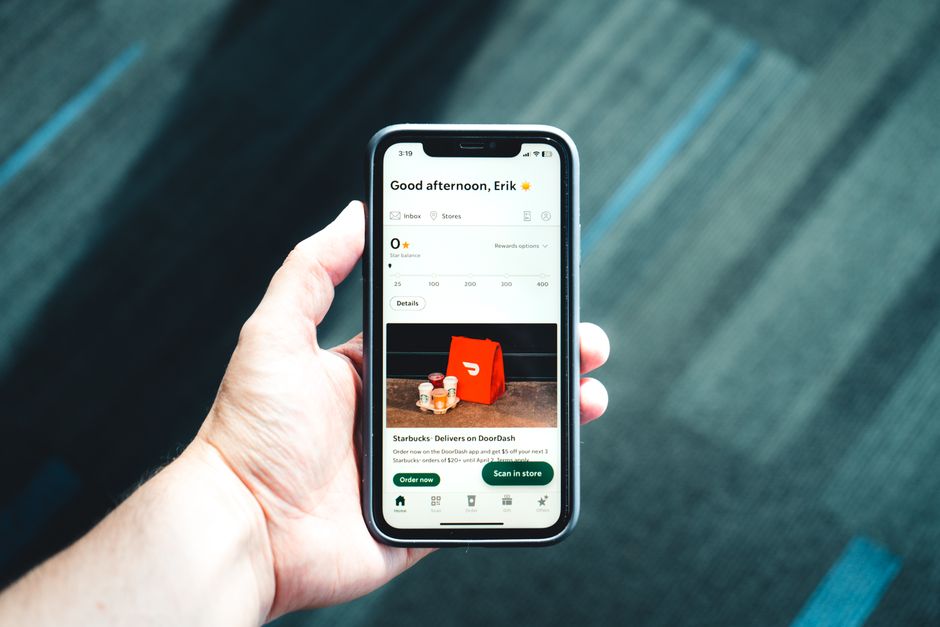
Which delivery apps show drivers earnings before accepting a job? DoorDash, Uber Eats, and Instacart display offer or batch earnings before acceptance, while Amazon Flex displays block earnings before you reserve a block. The details and payout certainty differ: tips may change or arrive later, and an offer’s displayed amount is not the same as net earnings after vehicle costs and unpaid time.
Which delivery apps show the total pay before I accept an order?
DoorDash and Instacart document upfront pay details in the sources available here; Uber Eats is part of the comparison, but the supplied research does not establish exactly what its current offer screen shows. The supplied sources also do not verify Amazon Flex’s block-screen details. That distinction matters: an app may show an amount before acceptance without every part of that amount being guaranteed.
DoorDash says the amount shown on an acceptance screen is the minimum guaranteed for the deliveries or tasks in that offer. For Earn per Offer, base pay ranges from $2 to $10 or more and is based on estimated time, distance, and offer desirability. DoorDash says the final total may be greater, and the displayed offer amount itself will not be reduced. Its Dasher pay explanation therefore separates a guaranteed floor from the possibility of additional earnings.
Instacart says shoppers see batch earnings and expected tip alongside the store, delivery distance, and number of items and units before accepting. Its upfront batch pay reflects expected effort, including travel, item quantity and weight, and estimated shopping time. The displayed batch pay will not decrease if the shopper completes the batch as accepted, but the expected tip is not equally fixed.
For a fair comparison, treat the screen as an offer description, not an earnings forecast for an entire work shift. The table summarizes what the provided research establishes; “not published” means these sources do not document the detail, not that the app necessarily omits it.
| App | Displayed pay before acceptance | Tips and distance or duration | Payout caveat |
|---|---|---|---|
| DoorDash | Minimum guaranteed offer amount; Earn per Offer base pay ranges from $2 to $10+ | Offer pay considers estimated time and distance; customers can tip at checkout or after delivery | Total may be greater; post-delivery tips can add earnings |
| Uber Eats | not published in the provided sources | not published in the provided sources | not published in the provided sources |
| Instacart | Batch earnings and expected tip | Store, delivery distance, item count and units; estimated shopping time informs batch pay | Batch pay does not decrease if completed as accepted; customer may change tip after delivery |
| Amazon Flex | Block earnings: not published in the provided sources | Block duration: not published in the provided sources | not published in the provided sources |
Do DoorDash drivers see tips before accepting a delivery?
DoorDash’s supplied explanation does not say that every offer screen reveals a customer’s complete tip before acceptance. It does establish that the acceptance-screen offer amount is the minimum guaranteed amount, while customers can tip at checkout or after delivery and Dashers receive 100% of tips.
The practical distinction is between the guaranteed offer and any later addition. A post-checkout tip can increase earnings after the offer is completed, so a driver should not treat a possible later tip as money already secured when comparing offers. DoorDash says the displayed offer amount itself will not be reduced.
That certainty applies to the offer amount, not to whether a job is worthwhile after expenses. If you are comparing flexible work schedules as well as pay, see Which Delivery App Job Lets Me Choose My Own Shifts?
Does Uber Eats show the estimated tip and trip distance upfront?
The research supplied for this article does not verify whether Uber Eats displays an estimated tip or trip distance before acceptance. Those specifics can be checked in the offer screen available in your market, but they should not be presented as confirmed platform-wide facts based on the sources here.
When an offer screen provides both pay and distance, use them together rather than treating the payment amount as a standalone ranking. A simple first-pass comparison is displayed offer amount divided by disclosed miles. If the screen also provides expected active time, divide the offer by that time to estimate gross pay per active hour; this excludes vehicle costs and time spent waiting or repositioning between jobs.
Do not equate an estimate with a guarantee unless the platform’s terms say it is guaranteed. For Uber Eats, the provided research does not establish the relevant tip rules or whether estimates can be revised, so check the current in-app terms before relying on an expected tip.
Can Instacart shoppers see batch pay and tips before accepting?
Yes. Instacart says shoppers see batch earnings and the expected tip before accepting, along with store, delivery distance, and item details. Its shopper earnings information says batch pay accounts for expected effort such as travel, quantity and weight of items, and estimated shopping time.
The batch-pay component and tip component have different levels of certainty. Instacart says upfront batch pay will not decrease when the batch is completed as accepted. Customers can lower a tip for up to two hours after delivery or increase it for up to 14 days; the company says it covers up to $10 if a customer removes a tip without reporting an order issue. Qualifying heavy-item batches receive at least $2 in heavy pay.
That makes the expected total useful for comparing batches, but not equivalent to a fixed final payout. Check the item count, units, distance, and expected tip separately: a large batch or a longer route can demand more time than its headline amount suggests.
How should I compare an offer with costs and unpaid time?
Start with what is visible: guaranteed or estimated pay, distance, time, and any tip component. Then calculate a rough gross rate using the disclosed amount and the time you expect to spend on the offer. If you can estimate miles, compare gross pay per mile as well. These are screening calculations, not net-income figures.
The University of California, Berkeley Labor Center’s May 2024 report analyzed 52,370 trips by 1,088 drivers across six passenger and delivery platforms in five metro areas, using data from January 2022. After expenses and excluding tips, median net hourly earnings for delivery drivers were $5.93 in California and $0.48 in the other metro areas studied; including tips, the figures were $13.62 and $9.87, respectively. The report used the IRS mileage rate to calculate expenses and included broader shift time, including waiting between gigs and driving between jobs.
The implication is concrete: an acceptance screen can help rank individual offers, but it cannot by itself establish the most profitable app. Net results depend on expenses, unpaid time, local order volume, and tips. For transparency, save offer screenshots where permitted and compare them with completed-trip statements or earnings records. That creates a record of what was estimated, what was guaranteed, and what was ultimately paid, without confusing a strong-looking offer with a strong full-shift result.
Frequently Asked Questions
Does Amazon Flex show the full block earnings before I accept?
The sources provided do not document Amazon Flex’s block-offer screen or its earnings terms. Confirm the amount and block duration shown in the app, and do not assume the displayed amount includes costs or represents net earnings.
Can the final payout be lower or higher than the amount shown on the offer screen?
Yes, depending on the platform and the offer. DoorDash says the offer amount is a guaranteed minimum and total earnings may be greater; Instacart says tips can be decreased for up to two hours or increased for up to 14 days after delivery.
What details besides pay should I check before accepting a delivery job?
Check the disclosed distance, delivery or block duration, item count and weight where relevant, and any expected tip. Then account for vehicle expenses and unpaid time between jobs, because the offer amount alone does not establish net earnings for the shift.
Sources
You may also like
Which Delivery App Job Lets Me Choose My Own Shifts?
Compare delivery app scheduling, income volatility, vehicle costs, and taxes before choosing flexible gig work.
Freelance Full Stack Developer: Rates, Jobs, and AI
Freelance full stack developers can find viable work by pricing realistically, screening projects, and using AI without treating it as a replacement.
Find Medical Courier Jobs and Check the Details That Matter
Compare medical courier roles, common employer requirements, vehicle arrangements, schedules, and the details to verify in local job postings.
Should I Apply to Swiss Public, International, or Language Schools?
Compare Swiss public, international, and language-school teaching routes before you apply, including recognition, language, and permit checks.