
Can I Lose Weight With Hypothyroidism by Exercising?
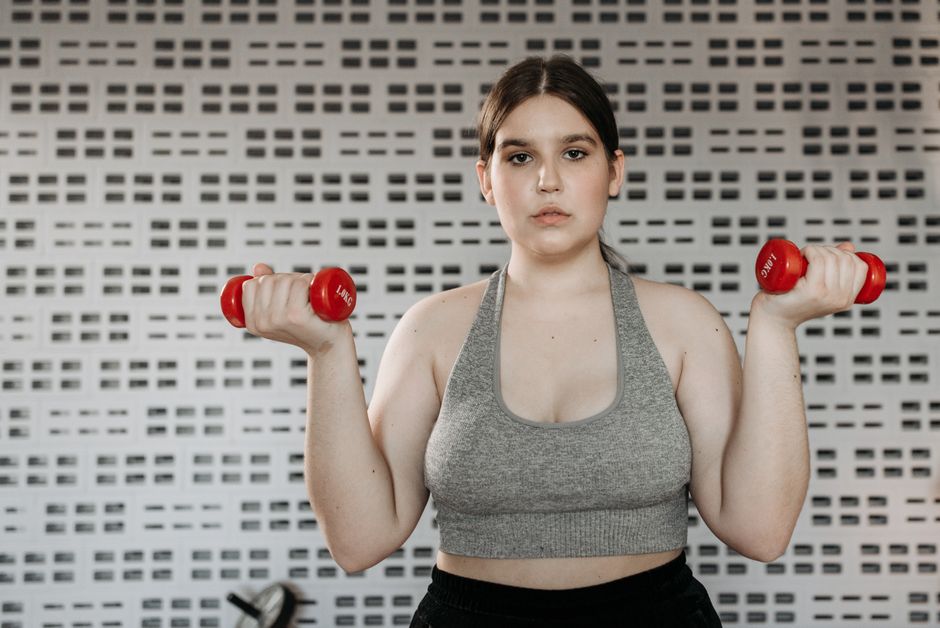
Exercise can support weight management with hypothyroidism, but it works alongside accurate thyroid treatment, food intake, sleep, and recovery rather than replacing them. Build activity gradually, combine aerobic work with strength training, and use fatigue and symptoms to set the pace. Medication adjustment and extreme workouts are not weight-loss shortcuts; persistent fatigue or stalled progress merits a clinician or dietitian conversation.
Why is it hard to lose weight with hypothyroidism even when I exercise?
It can be hard because exercise is only one input in a system affected by thyroid hormone, treatment status, energy intake, sleep, and recovery. The American Thyroid Association explains that thyroid hormone helps regulate how the body uses energy, along with temperature, heart rate, blood pressure, and metabolism.
The same American Thyroid Association booklet states that hypothyroidism can cause mild weight gain of 5 to 20 pounds. That figure comes from the association's patient guidance, not from an exercise trial, and it matters because it corrects two unhelpful stories: hypothyroidism is not a complete explanation for obesity, and a workout plan is not a switch that erases every barrier.
Use the treatment-first frame. The weak frame is: “I need to train harder until the scale moves.” The stronger frame is: “I need treatment, activity, food intake, and recovery to work together.” The American Thyroid Association Task Force's 2014 guideline identifies levothyroxine as the standard treatment and names symptom resolution, normalizing TSH, and avoiding overtreatment as goals. It also reports that weight loss from thyroid hormone treatment itself appears at most modest except for fluid mobilization in myxedema.
That is the practical split: treatment addresses hypothyroidism; activity supports health, function, and weight management. Taking excess thyroid hormone to chase rapid loss is not a workaround. The ATA warns that excess thyroxine can weaken muscles and bones, harm the heart, and increase hunger, which can make both training and weight management more difficult.
There is another constraint worth naming. A 2014 systematic review in Sports Medicine found that untreated hypothyroidism can involve cardiovascular, muscular, neuromuscular, and metabolic limits on exercise tolerance. Some people also reported exercise-intolerance complaints despite biochemical euthyroidism. The operating rule is simple: a plan that repeatedly outruns recovery is not a disciplined plan. It is just hard to repeat.
What exercise is best for losing weight with hypothyroidism?
The best exercise is the mix a person can repeat while recovering well: aerobic activity, strength training, and ordinary movement across the week. No source here establishes one thyroid-specific workout as the superior weight-loss tool, so the useful decision is not “Which exercise is magic?” It is “Which combination creates enough consistent activity without creating a fatigue bill?”
The U.S. Department of Health and Human Services' Physical Activity Guidelines for Americans, 2nd edition, published in 2018, sets a general adult range of 150 to 300 minutes each week of moderate-intensity aerobic activity, or 75 to 150 minutes each week of vigorous activity, or an equivalent combination. It also recommends muscle-strengthening work involving all major muscle groups on 2 or more days each week. For adults with chronic conditions who cannot reach those ranges, the guideline says to be active according to their abilities and avoid inactivity.
| Program piece | What the evidence supports | Recovery-aware use |
|---|---|---|
| Aerobic activity | The 2018 federal guideline provides the weekly aerobic ranges. | Start with a lower-intensity, repeatable dose and build frequency or duration gradually. |
| Strength training | The 2018 federal guideline recommends major-muscle-group work on 2 or more days each week. | Keep enough recovery between sessions to return with stable energy rather than forcing volume. |
| Daily movement | The guideline advises avoiding inactivity when full targets are not currently possible. | Use short, manageable movement opportunities instead of treating an all-or-nothing workout as the only win. |
The progression rule: change one variable at a time. Add a little duration, frequency, or intensity, then observe how the next sessions feel. The 2018 guideline puts it plainly: inactive people should start with lower-intensity activity and gradually increase how often and how long they are active. This protects consistency, which matters more than a single heroic session.
There is direct but narrow evidence for aerobic training. In a 2018 randomized clinical trial reported by Werneck and colleagues, a training group of 10 women with subclinical hypothyroidism completed 60-minute bike and treadmill sessions 3 times weekly for 16 weeks; the sedentary control group also had 10 participants. The training group improved functional capacity and several quality-of-life measures. That supports aerobic exercise as a useful option for function, not a promise that the same protocol will produce a particular weight change for everyone.
For a working week, the cleanest script is: “Plan the smallest version that survives a busy Tuesday.” If a household task competes for time, pair activity with a practical schedule instead of abandoning it; the same planning mindset used to choose a modern floor that works for your household applies here. Constraints are design inputs, not a reason to choose an unsustainable routine.
Should I do cardio or strength training if I have Hashimoto's?
Use both when they fit your capacity: cardio builds toward the federal aerobic guideline, while strength training covers the major-muscle-group recommendation. The evidence supplied here does not justify declaring cardio or strength training the winner for Hashimoto's-specific weight loss. A combined plan covers more ground and avoids making one demanding session type carry the entire job.
Cardio's job is capacity. The Werneck trial gives aerobic training a concrete role in improved functional capacity and quality of life among the studied women with subclinical hypothyroidism. Strength training's job is coverage. The 2018 federal guideline independently calls for muscle-strengthening activity on 2 or more days each week. Neither job requires punishing intensity.
The evidence quality is the guardrail. A 2023 systematic review and meta-analysis by Duñabeitia and colleagues reported fair or poor quality ratings across the included randomized trials, including scores of 3/10, 4/10, and 5/10 in its supplementary appraisal. That does not make exercise useless. It means specific claims that one modality reliably changes thyroid outcomes or guarantees weight loss go beyond the evidence.
Run a recovery check, not a willpower test. After a new session, ask: “Can this pattern be repeated without a sustained increase in fatigue or a drop in day-to-day function?” If the answer is no, reduce a variable and rebuild. If fatigue is severe, worsening, or remains a barrier despite a conservative approach, bring that pattern to a clinician; a dietitian can also help examine the food-intake side of weight management without turning the plan into restriction theater.
The useful close is a small drill for this week: write down the aerobic activity, strength work, and ordinary movement that feel repeatable, then identify one recovery signal that would tell you not to increase the load yet. Bring that short record to a treatment conversation if symptoms or progress remain stuck.
Frequently Asked Questions
Can intense exercise make hypothyroidism fatigue worse?
It can be a poor fit when fatigue or exercise intolerance is already limiting activity. A 2014 systematic review found that exercise intolerance can persist in some treated patients, so a gradual, ability-based progression is more defensible than forcing high-intensity sessions. Persistent or worsening symptoms are a reason to discuss the pattern with a clinician.
How much exercise should I do while my thyroid medication is being adjusted?
The U.S. Department of Health and Human Services recommends regular activity according to a person's abilities for adults with chronic conditions and advises inactive people to start low and build gradually. While medication is being adjusted, the useful target is a repeatable amount of movement that does not create a recovery debt, not an attempt to compensate with extreme training. A clinician can help interpret ongoing symptoms and treatment progress.
Sources
- American Thyroid Association: Hypothyroidism booklet
- American Thyroid Association Task Force on Thyroid Hormone Replacement: Clinical guideline
- U.S. Department of Health and Human Services: Physical Activity Guidelines for Americans, 2nd edition
- Werneck et al.: Aerobic exercise training in subclinical hypothyroidism
- Lankhaar et al.: Hypothyroidism and exercise tolerance systematic review
- Duñabeitia et al.: Physical exercise in hypothyroidism systematic review and meta-analysis
Disclaimer: This article is for general information only and is not medical advice. It is not a substitute for diagnosis or treatment by a qualified healthcare professional. Always speak to your doctor before acting on anything you read here.
You may also like

Hire a Shopify Website Developer with Confidence
A reliable Shopify website developer hire starts with clear scope, comparable quotes, verified work, and written milestones and ownership terms.

Can I Work Out After a Deep-Tissue or Sports Massage?
Learn how to time lifting, strenuous workouts, and gentle activity after deep-tissue or sports massage using soreness as your guide.
How Can I Exercise and Lose Weight Safely With Hypothyroidism?
A practical, progressive exercise framework for adults with hypothyroidism, fatigue, joint pain, or stalled weight-loss progress.

Should I Apply to Swiss Public, International, or Language Schools?
Compare Swiss public, international, and language-school teaching routes before you apply, including recognition, language, and permit checks.