
How Can I Exercise and Lose Weight Safely With Hypothyroidism?
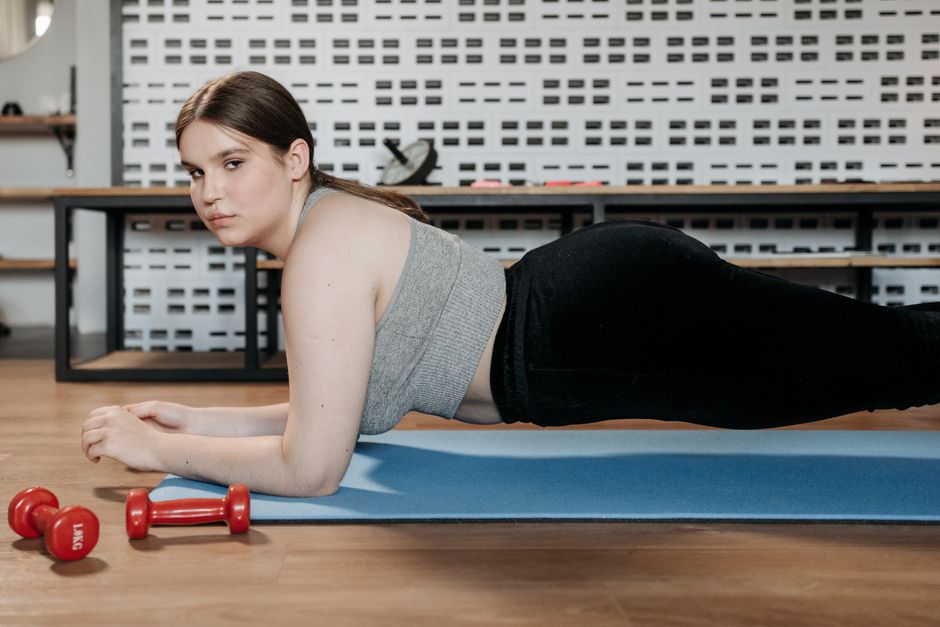
With hypothyroidism, the productive move is not to force harder workouts. Confirm that treatment and symptoms are being reviewed, begin with low-impact activity that matches current energy and joint comfort, add resistance work gradually, and judge progress with more than the scale. Regular exercise supports health, but it does not replace thyroid treatment or make an underactive thyroid disappear.
How can I lose weight with hypothyroidism when I work out but the scale does not move?
First, separate a training problem from a thyroid-management problem. The American Thyroid Association lists fatigue, low energy, muscle cramps, joint aches, mild weight gain, and difficulty losing weight among possible effects of low thyroid hormone. Those symptoms change the cost of a workout. A plan that looks modest on paper can be too large when recovery is poor.
The scale is also a narrow scoreboard. The American Thyroid Association states that hypothyroidism can account for mild weight gain of 5 to 20 pounds and does not cause obesity. That distinction matters: thyroid treatment is not a rapid-weight-loss lever, and escalating exercise to punish a stalled scale is the wrong trade.
Use the Two-Track Check. Track body weight if that is useful, but record completed sessions, walking time, resistance movements, sleep quality, energy, and whether joint symptoms worsen, stay steady, or ease. This turns “nothing is working” into information a clinician or exercise professional can use.
Medication is part of that check. MedlinePlus states that clinicians generally recheck thyroid hormone levels about 6 to 8 weeks after medication starts or after a dose adjustment. It also advises against stopping thyroid medicine without discussing it with a health care provider. More thyroid hormone is not a workout shortcut: the American Thyroid Association warns that excessive hormone used for rapid weight loss can weaken muscles and bones and damage the heart.
For a busy workweek, protect the smallest repeatable block first. A walk before work, a short low-impact session after work, or a strength session on a planned lower-demand day can reduce the cognitive load of deciding from scratch. Readers considering flexible work schedules can also compare the practical trade-offs in Which Delivery App Job Lets Me Choose My Own Shifts?.
| What to track | Why it earns a place | What the pattern can prompt |
|---|---|---|
| Completed activity sessions | Shows whether the plan fits real energy and time. | Keep, simplify, or space sessions differently. |
| Energy, sleep, and joint symptoms | Hypothyroidism can involve fatigue and joint or muscle pain, according to MedlinePlus. | Discuss persistent or worsening symptoms with a health professional. |
| Strength or walking tolerance | Shows functional progress that a scale cannot show. | Increase gradually only when the current workload is tolerable. |
| Body weight | Provides one data point, not the full verdict. | Review it alongside treatment status and the other trends. |
What exercise is best for hypothyroidism and fatigue?
The best exercise is the lowest-impact option that can be repeated safely and progressed gradually, with walking, cycling, swimming, or water-based movement often serving as practical starting choices. The CDC's guidance for people with chronic conditions is direct: be active according to ability, avoid inactivity, choose activity appropriate to current fitness and health, then increase frequency and duration gradually.
Build the base before adding intensity. The CDC states that adults need at least 150 minutes of moderate-intensity aerobic activity weekly and muscle-strengthening activity on 2 or more days weekly. That is a destination, not a day-one requirement. The same CDC guidance says that any amount of moderate-to-vigorous activity provides some health benefit.
A usable weekly template has three lanes. Low-impact aerobic work builds consistency. Resistance work covers major muscle groups. Easier or rest days protect recovery and give fatigue or joint symptoms a visible place in the plan rather than treating them as failure.
| Lane | Practical role | Progression rule |
|---|---|---|
| Walking or other low-impact cardio | Build aerobic activity with a lower joint burden. | Add time or another session gradually, not both at once. |
| Resistance training | Meets the CDC recommendation for muscle-strengthening work on 2 or more days. | Use movements that cover major muscle groups; increase only when the current work is tolerable. |
| Combined training | Pairs aerobic and resistance work without making every session hard. | Keep the overall workload low to moderate while establishing consistency. |
The 2024 randomized controlled trial published in Archives of Rehabilitation Research and Clinical Translation studied 60 women aged 35 to 45 with controlled hypothyroidism, depression, and sleep problems. Its exercise groups trained 3 times weekly for 12 weeks while receiving levothyroxine; low- to moderate-intensity aerobic work, resistance training, and combined training improved depression and sleep-quality measures, while the combined group improved more than either single-mode group. The useful lesson is sequence, not imitation: treated participants followed a structured program, and the study does not establish one universal workout for every person with hypothyroidism.
Should I do HIIT if I have an underactive thyroid?
HIIT is optional, not required, and it is a poor first move when fatigue, joint pain, or treatment uncertainty already makes recovery difficult. The CDC recognizes vigorous activity as one path toward weekly activity targets, but it also says people with chronic conditions or symptoms should consult a health professional or physical activity specialist about appropriate types and amounts.
Use the recovery test. If low-impact sessions and resistance training are not yet consistent, the bottleneck is capacity, not intensity. Keep the next session manageable. If symptoms are stable, basic sessions are repeatable, and a clinician agrees that more vigorous work fits the situation, intensity can be considered as a substitution for some moderate activity rather than piled on top of everything else.
The evidence does not support declaring HIIT the thyroid fix. A 2023 systematic review and meta-analysis in the Scandinavian Journal of Clinical and Laboratory Investigation assessed exercise studies in people with hypothyroidism and rated the included randomized trials fair to poor in its supplementary appraisal. That is a clear instruction to individualize and progress conservatively, not to market one workout format as a hormone correction.
Use a clean phrase when discussing the plan with a clinician or coach: “Fatigue and joint pain are limiting consistency. Which activity types and progression are appropriate for my current symptoms and treatment status?” It puts the real constraint on the table.
Frequently Asked Questions
How often should I exercise with hypothyroidism to lose weight?
The CDC states that adults with chronic conditions who are able can work toward 150 to 300 minutes of moderate aerobic activity each week plus muscle-strengthening work on 2 or more days. The correct starting amount depends on current fitness, fatigue, joint symptoms, and clinician guidance; the CDC advises starting with lower intensity and increasing frequency and duration gradually. A short, repeatable schedule is more useful than a demanding plan that repeatedly breaks down.
Can strength training help with hypothyroidism-related weight gain?
Strength training is part of the CDC's adult activity guidance, which calls for muscle-strengthening activity covering all major muscle groups on at least 2 days each week. It does not correct thyroid hormone levels or guarantee weight loss, but it is a practical component of a balanced routine. In a 2024 controlled trial of women with managed hypothyroidism, aerobic exercise, resistance exercise, and combined training were associated with improved depression and sleep-quality measures.
When should I talk to my doctor before starting a workout routine with hypothyroidism?
Talk with a health professional or physical activity specialist when fatigue, joint or muscle pain, or other symptoms are present, because the CDC advises people with chronic conditions or symptoms to discuss appropriate activity types and amounts. Medical review also matters when symptoms return or worsen, or after thyroid medication is started or adjusted; MedlinePlus states that thyroid hormone levels are generally rechecked about 6 to 8 weeks after treatment begins or a dose changes. Chest pain, rapid or irregular heartbeat, shortness of breath, tremor, or excessive sweating require prompt medical attention, particularly in the context of thyroid hormone treatment.
This week's drill: write down the activity already realistic for the next seven days, the symptom or recovery signal to track, and the one question to bring to a health professional if the pattern does not improve. A plan that survives an ordinary week beats an impressive plan that lasts two sessions.
Sources
- American Thyroid Association: Hypothyroidism Web Brochure
- Centers for Disease Control and Prevention: Physical Activity Guidelines for Adults
- Centers for Disease Control and Prevention: Physical Activity Guidelines
- MedlinePlus: Hypothyroidism
- Scandinavian Journal of Clinical and Laboratory Investigation: Exercise in People With Hypothyroidism
- Archives of Rehabilitation Research and Clinical Translation: Exercise Trial in Managed Hypothyroidism
Disclaimer: This article is for general information only and is not medical advice. It is not a substitute for diagnosis or treatment by a qualified healthcare professional. Always speak to your doctor before acting on anything you read here.
You may also like

Hire a Shopify Website Developer with Confidence
A reliable Shopify website developer hire starts with clear scope, comparable quotes, verified work, and written milestones and ownership terms.

Can I Work Out After a Deep-Tissue or Sports Massage?
Learn how to time lifting, strenuous workouts, and gentle activity after deep-tissue or sports massage using soreness as your guide.
Can I Lose Weight With Hypothyroidism by Exercising?
A recovery-aware, evidence-informed guide to exercise, treatment, and realistic weight-management expectations with hypothyroidism.

Should I Apply to Swiss Public, International, or Language Schools?
Compare Swiss public, international, and language-school teaching routes before you apply, including recognition, language, and permit checks.