
What Size Generator or Battery Do I Need to Keep My Fridge Running?
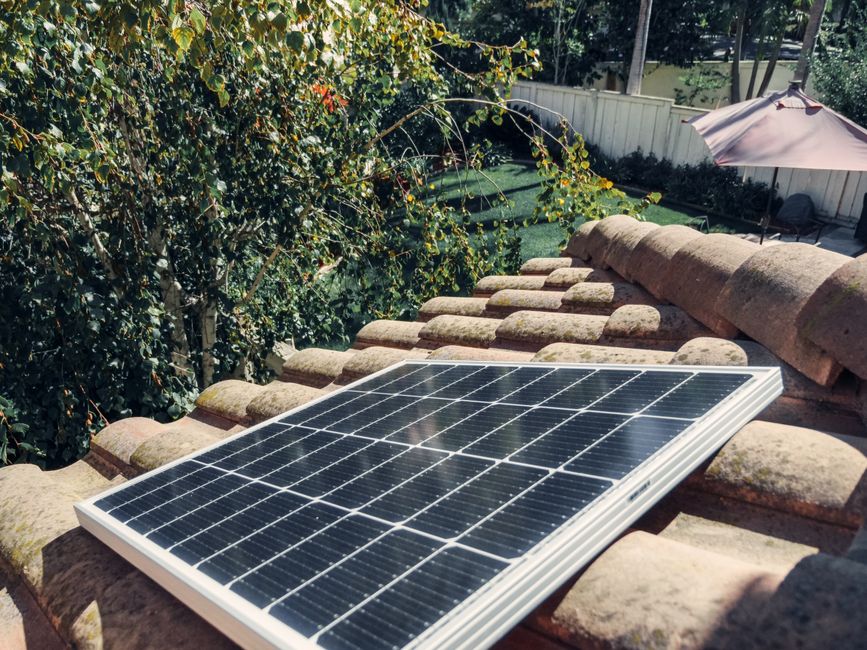
For an Energy Star refrigerator or freezer, plan for about 132–192 running watts and a 1,200-watt startup surge, then account for any other appliances that may run at the same time. A battery’s runtime depends on its usable energy and the fridge’s actual consumption, so check both before relying on it. For either setup, prioritize food storage and follow outdoor generator and carbon monoxide precautions.
What size generator do I need to run my refrigerator and freezer?
Choose a generator that can handle the refrigerator’s startup surge plus the running demand of other appliances you plan to power at the same time. The startup figure matters: a generator that appears large enough based only on steady running watts may struggle when a compressor kicks on.
Honda Power Equipment estimates an Energy Star refrigerator or freezer at approximately 132–192 running watts and 1,200 starting watts. Those are planning figures, not a promise about every model. Check the appliance label or manual and the generator’s rated and surge capacity before connecting equipment.
Build a short load list instead of adding every appliance’s maximum rating. Record the running demand for each item, identify which loads may start together, and make sure the generator can cover the largest relevant startup surge while serving the chosen running loads. Honda likewise advises planning which appliances to run rather than simply summing every maximum wattage.
| Planning item | What to account for |
|---|---|
| Energy Star refrigerator or freezer | About 132–192 running watts and 1,200 starting watts, per Honda’s estimate |
| Other appliances | Their running demand and any startup surge that could coincide with the refrigerator |
| Generator selection | Enough surge capacity for startup and enough ongoing capacity for the selected loads |
For a multi-day outage, decide which jobs deserve power first. Keeping food cold is a clear priority, but adding convenience loads can change the generator size and fuel plan. If the generator cannot support everything simultaneously, run only the planned combination and avoid treating its full advertised capacity as a reason to connect every appliance.
How long will a portable power station run a fridge during an outage?
A portable power station’s runtime depends on its usable stored energy and the refrigerator’s actual energy use; the sources provided do not give a single reliable number of hours for all fridge-and-battery combinations. Compare the battery’s usable capacity with the refrigerator’s energy demand, and account for the compressor’s startup surge when checking whether the station can start it.
Sandia National Laboratories’ report on off-grid refrigeration explains that a conventional refrigerator can draw periodic power surges when its compressor starts. It says compressor starting current is typically three times running current and that the inverter must handle the peak surge. In practical terms, capacity alone is not enough: check both the station’s energy capacity and its inverter’s surge capability.
Use the refrigerator’s specification or an appropriate energy measurement to estimate its demand over time; do not multiply its startup wattage by every hour of the day. Starting power is a brief peak, while the compressor cycles. Because the provided sources do not specify a universal duty cycle or conversion losses for a particular power station, an exact runtime requires the appliance and battery specifications.
Protect the food while you manage power. Ready.gov says an unopened refrigerator keeps food cold for about four hours and a full freezer for about 48 hours. Keep doors shut, use a thermometer to check food temperature, and discard food that reaches 40°F or higher. Those time frames help set priorities; they are not a substitute for checking temperature.
A battery can also work alongside a generator in a properly designed hybrid system. NREL’s 2024 analysis describes batteries buffering demand peaks while a generator serves average demand or charges storage under more efficient loading conditions. That can reduce fuel use in the study’s modeled case, but the result depends on system design and is not a guaranteed runtime or savings figure for every home.
Is it better to run a generator continuously or in short intervals?
Neither schedule is universally best; match generator operation to the loads, fuel supply, and food-temperature needs, while following the equipment manual and refueling safely. Intermittent operation can be part of a load plan, but do not assume a fridge will remain at a safe temperature simply because it was powered earlier.
Ready.gov’s food guidance gives the practical boundaries: an unopened refrigerator keeps food cold for about four hours, and a full freezer for about 48 hours. Monitor with a thermometer rather than guessing from the clock. If food reaches 40°F or higher, Ready.gov advises discarding it.
Before an outage, map a simple operating sequence: connect the refrigerator and other priority loads, note when the generator will run, and keep refrigerator and freezer doors closed. The exact interval depends on conditions and appliance performance; the provided sources do not prescribe a universal on-off schedule. Use temperature readings and the generator’s instructions to make decisions rather than relying on a generic timetable.
Fuel planning affects the schedule too. Let a generator cool before refueling, as Ready.gov advises. Never bring a portable generator indoors or run it in an attached garage. The U.S. Consumer Product Safety Commission reports that more than 80 consumers die each year from carbon monoxide poisoning caused by portable generators. Place the unit outdoors at least 20 feet from the house and direct exhaust away from the home and other buildings.
For a battery-generator combination, the design can shift when the generator runs: NREL explains that storage can absorb peaks and supply energy when needed. This approach may let a generator serve average demand rather than peak demand in the analyzed system. Treat it as a system-design option, not an improvised connection; confirm compatibility and use equipment designed for the setup.
Frequently Asked Questions
Can I use a battery and generator together to stretch fuel?
Yes, a properly designed hybrid system can use a generator to charge a battery, with the battery supplying loads when needed and buffering demand peaks. NREL describes this approach as a way to size a generator closer to average demand and potentially reduce fuel use in its modeled case. Have equipment compatibility and safe connection arrangements confirmed before operating a hybrid setup.
Where should I place a generator to avoid carbon monoxide entering the house?
Operate a portable generator outdoors at least 20 feet from the house, windows, doors, and attached garages, with its exhaust directed away from the home and other buildings. Use battery-operated carbon monoxide alarms or alarms with battery backup outside sleeping areas and on every floor, and test them monthly.
Before the next outage, write down the refrigerator’s running and startup requirements, the other loads you truly need, and the battery or generator limits. Then identify where the generator can operate at least 20 feet from the house and check that carbon monoxide alarms work. A short plan turns a wattage estimate into a safer operating decision.
Sources
- Honda Power Equipment, Generator Wattage Estimation Guide
- Sandia National Laboratories, Refrigeration Units in Off-Grid Systems
- Sandia National Laboratories, U.S. Department of Energy report
- Ready.gov, Power Outages
- U.S. Consumer Product Safety Commission, What to Know About Generators
- National Renewable Energy Laboratory, 2024 analysis of generator, battery, and solar integration
You may also like

Dumpster Rental Costs: Compare Sizes, Fees, and Self-Hauling
Compare one-week dumpster prices, container sizes, weight limits, delivery fees, and local self-haul rates before booking.

How Do I Round Photo Corners in Canva and Keep Them Transparent?
Round Canva photo corners with Stroke style, use frames when needed, and export PNG files to preserve transparent outer corners.
Budget a Local Carport Installation Without Missing the Real Costs
Budget a locally installed carport by finding permit, engineering, site, concrete, wind-rating, and HOA costs missing from advertised prices.

Choose a Housekeeping Agency or Independent Cleaner With Confidence
Compare housekeeping agencies and independent cleaners using a practical checklist for insurance, worker status, security, scope, and service quality.