
How Do I Mix Warm and Dark Wood Furniture in One Room?
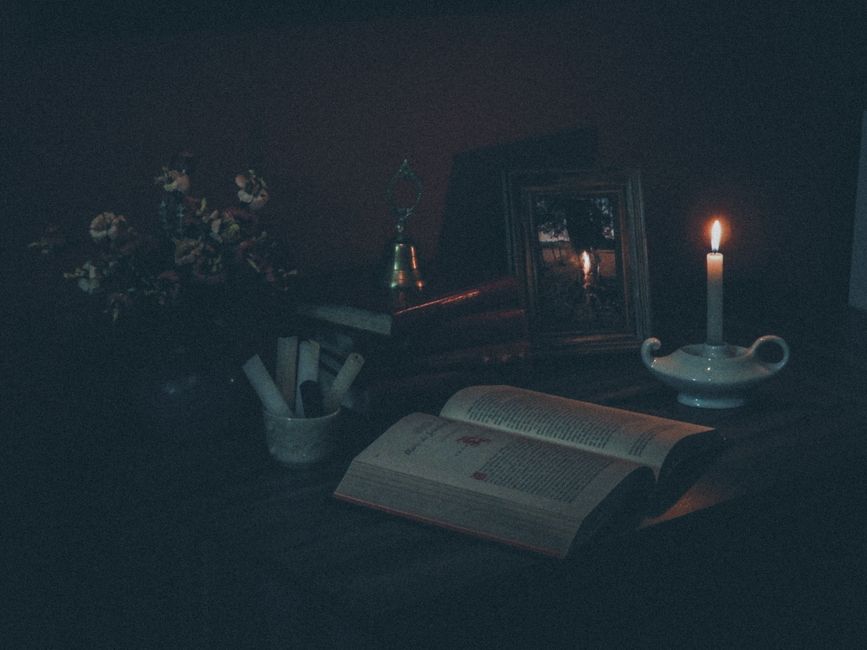
Mix warm and dark wood furniture by choosing one dominant tone, adding one or two clearly different supporting tones, and matching undertones rather than species. A dark walnut anchor can sit comfortably beside neutral white oak or warm oak when their values are distinct, the finishes are distributed around the room, and rugs, upholstery, stone, or metal interrupt large runs of wood.
The apparent contradiction is that a room needs variation to feel collected, but constraints to avoid looking accidental. The solution is not a hunt for identical stains. It is a small system: control the number of tones, separate them by lightness and darkness, and repeat each choice with enough intention that it reads as part of the room's grammar.
Can I mix walnut and oak furniture in the same room?
Yes. Walnut and oak are one of the clearest useful pairings because walnut supplies visual weight while white oak can act as a neutral, lighter counterpoint. House Beautiful specifically identifies white oak and birch as neutral woods that work with rich walnut, and also notes walnut's compatibility with warm unstained maple, oak, and cherry.
Species is not the governing variable. Tonality and grain are. As Architectural Digest reports, designer Roman Alonso frames harmonious mixed woods around those two qualities rather than exact species matching. That distinction matters: a dark brown walnut table and a pale, natural oak sideboard have an intelligible relationship; two browns only slightly apart can look like an unsuccessful attempt to match.
Start by naming the room's anchor. In a living room, that may be a walnut media console or coffee table. In a dining room, it is often the table. In a bedroom, it may be the bed frame or dresser. Let that one piece carry the darkest value, then use oak for secondary furniture. Avoid spreading the same dark stain over the floor, walls, built-ins, and major furniture. Architectural Digest warns that repeated dark staining across planes can make a room feel enclosed; contrast preserves definition.
Undertone is the check that prevents a technically varied room from becoming discordant. Warm yellow oak generally belongs with walnut that reveals brown, red, or yellow notes. Cool gray wood beside a strongly warm yellow wood is the combination House Beautiful's experts advise against. Put samples beside one another in the room's actual light before treating the decision as settled.
How many different wood tones should I use in one room?
Use two or three wood tones in one room, with no more than three. House Beautiful cites designers who recommend two to three complementary tones, often organized as light, medium, and dark, and who advise distributing them evenly instead of concentrating each finish in one corner.
That ceiling is not decoration etiquette. It is an information limit. Each new finish asks the eye to decide whether it is intentional; after the third distinct tone, the room needs unusually strong repetition or architectural reasons to remain legible. For a busy household, a smaller palette is also easier to extend when a replacement chair, storage cabinet, or desk enters the room later.
| Role | Typical use | What it solves |
|---|---|---|
| Dominant tone | The largest or most visually weighty piece | Gives the room an anchor |
| Contrast tone | A clearly lighter or darker table, chair, or case piece | Creates definition instead of near-matching |
| Bridge tone | A smaller medium-toned piece, if needed | Connects light and dark without adding another extreme |
Mid-tone wood has a specific role in this structure. Sherwin-Williams Industrial Wood describes 2026 mid-tone stains with earthy adobe and clay undertones as a bridge between light and dark, suitable for airy and intimate rooms. Use that bridge only when the two main tones need it. It is not a requirement.
Distribution converts the palette from a pile of purchases into a plan. If walnut is the anchor, repeat a small amount of its visual depth elsewhere: a frame, chair legs, a console, or a lamp base with a compatible dark element. If light oak appears only once, it can look like an orphan. Repetition does not mean matching every grain pattern. Vogue describes 2026 interiors as moving away from perfectly coordinated schemes toward varied periods, materials, and finishes.
Do my coffee table and dining table have to match?
No. Your coffee table and dining table do not have to match; they need a visible relationship in tone, proportion, or surrounding materials. A walnut dining table and a pale oak coffee table can work when both belong to the same warm undertone family, while upholstery and a rug keep the contrast from becoming a contest between rooms.
In an open living-dining space, assign different jobs. Let the dining table be the dominant dark mass, then make the coffee table lighter and less visually dense. Or reverse the scheme: a light dining table can keep the room open while a dark coffee table grounds the seating area. The mistake is not mixing them. The mistake is choosing two tables that are almost the same color but differ slightly in undertone and sheen.
Use materials to create pauses between wood objects. House Beautiful recommends rugs, upholstery, drapery, iron, marble, and aged brass to interrupt repeating wood surfaces. Vogue adds stainless steel as a practical partner for natural timber. In practical terms, a wool rug beneath a dark coffee table, upholstered dining chairs around an oak table, or a stone side table beside walnut is not extra styling. It reduces the visual load of wood-on-wood contact.
The 2026 dark-wood trend does not require a room to become uniformly dark. ELLE Decor identifies demand for dark walnut, ebonized ash, and burl, alongside finishes that preserve knots, grain shifts, and slight color variation. The durable principle is texture with restraint: visible grain and a few natural materials will outlast a rigid matching set. For a floor choice that can support this approach, see Choose a Modern Floor That Works for Your Household.
End with a blunt audit. Stand at the room's entrance and identify the dominant wood, the contrasting wood, and the material breaks. If those three answers are clear, the room is composed. If every object demands separate explanation, remove or relocate the least useful finish.
Frequently Asked Questions
How can I make dark wood furniture work with light floors?
Use the light floor as the room's largest light-value surface, then place dark furniture where it has visual breathing room rather than staining every plane dark. A rug, warm neutral upholstery, honed stone, or soft off-white walls can soften the contrast; Architectural Digest also cautions that applying the same dark stain across multiple planes can make a room feel closed in.
What wood tones are trending in 2026?
The supplied 2026 coverage points to darker woods, including walnut, mahogany, cherry mahogany, rosewood, ebonized ash, and burl, alongside light, mid-tone, dark, and green stains. Sherwin-Williams identifies earthy adobe and clay mid-tones as a useful bridge between light and dark, while Vogue describes a broader move toward layered, varied finishes rather than perfect matching.
How do I stop mixed wood furniture from looking random?
Limit the room to two or three tones, repeat each supporting tone at least once, and keep their undertones compatible. Then introduce non-wood materials between the pieces: upholstery, rugs, iron, stone, brass, or stainless steel give the eye a pause and turn variation into a deliberate material palette.
Sources
You may also like

Shopify Web Designer: Where to Find and How to Hire One
Compare Shopify web designers by scope, cost, portfolio, written terms, and store-access safeguards before hiring.
What Does the Latest Modern Kitchen Look Like in 2026?
The latest modern kitchen in 2026 pairs timeless layouts with natural materials, warm wood, layered lighting and practical storage.

Budget a Local Carport Installation Without Missing the Real Costs
Budget a locally installed carport by finding permit, engineering, site, concrete, wind-rating, and HOA costs missing from advertised prices.

Choose a Housekeeping Agency or Independent Cleaner With Confidence
Compare housekeeping agencies and independent cleaners using a practical checklist for insurance, worker status, security, scope, and service quality.